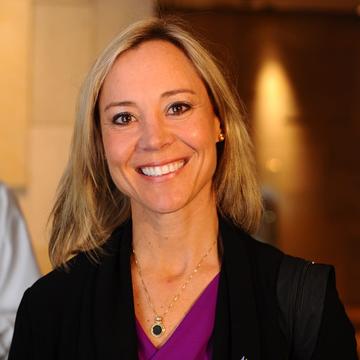
Co-Founder & CEO
United Rescue Alliance
Angel Poorman is the Founder and President of United Rescue Alliance, a global disaster response and leadership development organization. A philanthropist and entrepreneur with over three decades of field experience, including more than a decade in disaster relief, she has led work in Guatemala, Colombia, Belize, the Bahamas, Indonesia, Mozambique, Israel and Puerto Rico, strengthening emergency response systems and equipping local leaders to build resilience long after a crisis passes.
Angel advises leaders across the nonprofit, faith, business and government sectors on emergency management and community resilience. She has served more than 15 years with Big Country VOAD including on the Texas VOAD board and created the trademarked Mental, Emotional, Spiritual, Social Health (MESSH) curriculum, a holistic approach to building resilient communities.
Through The One Kafé, she shows how business can be a vehicle for ministry and economic empowerment. She also stewards Camp Barkeley, a historic Army base transformed into a Global Training Center for emergency preparedness, community distribution, and leadership development. United Rescue Alliance's partnerships with Texas Tech University, Lee University, Tel Aviv University, and LeTourneau University create internship pathways for the next generation of leaders in emergency management, disaster response, and humanitarian service.
Angel's passion is legacy: building systems that outlast any one leader and bless generations to come.
Sunday Jan 10
1:00pm - 1:30pm
Logicbroker Stage, Javits North, Rm 404
Every year, retailers manage billions of dollars in excess inventory and returned goods — and most of it gets written off, liquidated, or destroyed. But a growing number of retailers are discovering something remarkable: that merchandise that can’t be resold is exactly what a family in crisis needs. Join Good360 and two of its retail partners for a discussion on how excess inventory and returns can become a strategic giving asset, and what that looked like in practice for the communities receiving those goods.
